About Us​

Bhutani Group Noida: An Overview
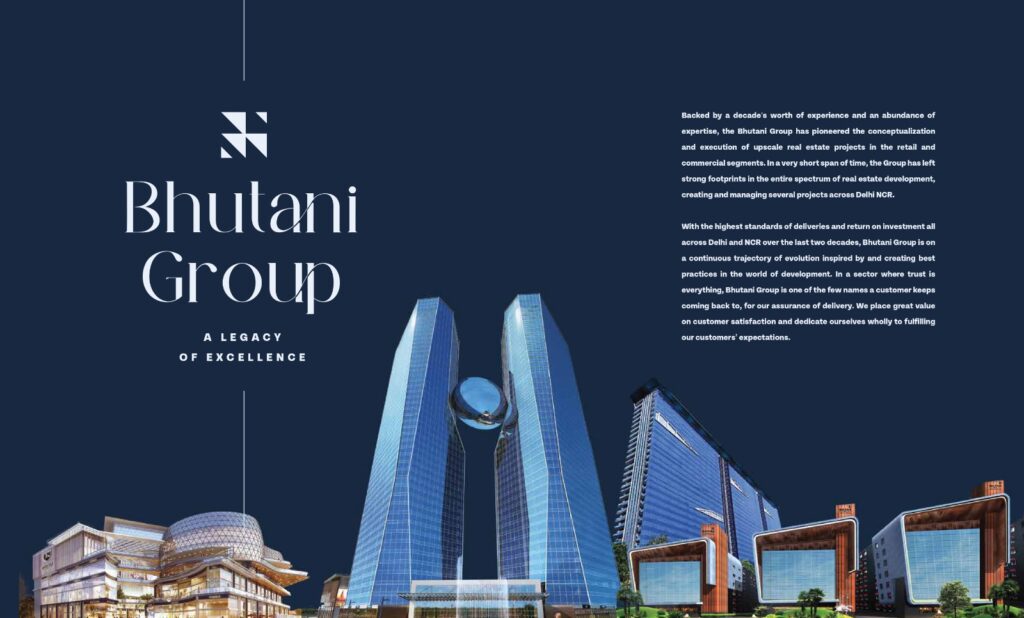
The Bhutani Group is a real estate developer focused on creating commercial properties and retail spaces in the Delhi-NCR region, particularly in Noida. The company states it is driven by a vision of transforming cities for the future through modern architecture and smart solutions .
Portfolio and Projects: Their work primarily includes developing modern IT office spaces, premium office areas, and high-street retail locations. They have several delivered and ongoing projects .
Delivered Projects: Some of their key delivered projects include Alphathum and I-Thum in Sector 62, Noida, Bhutani Technopark, and retail centers like City Center GZB in Ghaziabad and City Center 32 in Noida .
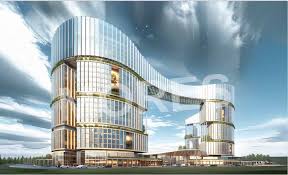
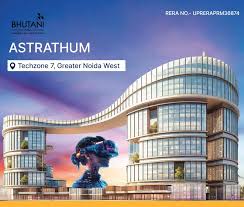
Ongoing Projects: Their current developments feature Cyberthum, a 26.8-acre mixed-use complex, Avenue 62 and Avenue 133 retail spaces, and Astrathum, an “intelligent campus” in Greater Noida West

Devoted To Service Excellence​

a10

Gallery​

Let’s Work Together​

Lorem ipsum dolor sit amet, consectetur adipiscing elit. Ut elit tellus, luctus nec ullamcorper mattis, pulvinar dapibus leo.

We design for any purpose​

The Deeper Story of Bhutani Astrathum: Where Noida’s Soul Meets Its Skyline

Think about the places you naturally gravitate toward. They likely share certain qualities: a sense of openness, natural light, the ability to see and be seen, and little surprises around every corner. This is the genius of Astrathum’s “high-street” design.
The Power of “Slow Retail”: In a world of one-click shopping and endless scrolling, Astrathum bets on the opposite—the tactile, the tangible, the slow. It’s designed for what urban experts call “the linger factor.” The wide walkways, the shaded benches, the strategically placed art installations—these aren’t accidents. They are psychological invitations to slow down, to pause, to have a conversation you didn’t plan. This is where you’ll bump into a neighbor and end up sharing a coffee for an hour. This is where impulse buys feel like discoveries, not transactions.
The Architecture of Connection: The design likely avoids long, monotonous corridors. Instead, it probably creates a series of intimate “rooms” and “outdoor halls.” You might turn a corner and find a secluded courtyard with a fountain, or a small amphitheater where a poet is reading. This variation in space creates a sense of narrative as you walk through it. You’re not a shopper; you’re an explorer in your own city.